Heel pain is more than just a nuisance; it’s a complete interruption to your life. Whether you are trying to enjoy a morning walk on the beach, trying to enjoy a round of golf with friends, or just getting through a shift at work, every step can feel like a challenge when your Achilles tendon is acting up.
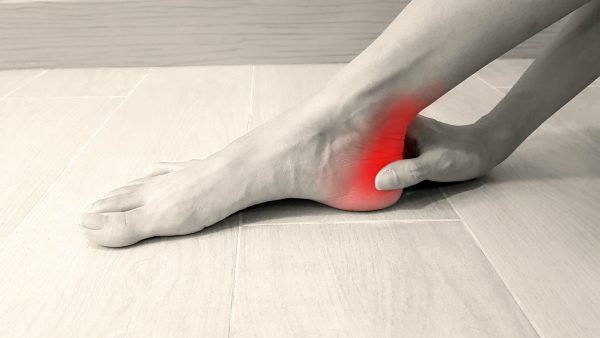
For our active residents in Bonita Springs, Cape Coral, and Ft Myers, this type of injury can be especially frustrating. You want to be out moving, not stuck on the couch icing your foot.
The good news is that most Achilles pain can be managed effectively. However, knowing exactly how to treat Achilles tendon pain — and recognizing when to see a podiatrist for foot pain — is the key to getting back on your feet quickly.
Signs You Have an Achilles Tendon Injury
Before you can treat it, you have to identify it. The Achilles tendon connects your calf muscles (gastrocnemius) to your heel bone (calcaneus). When this tendon is overworked, it can develop micro-tears that cause inflammation, known as tendonitis.
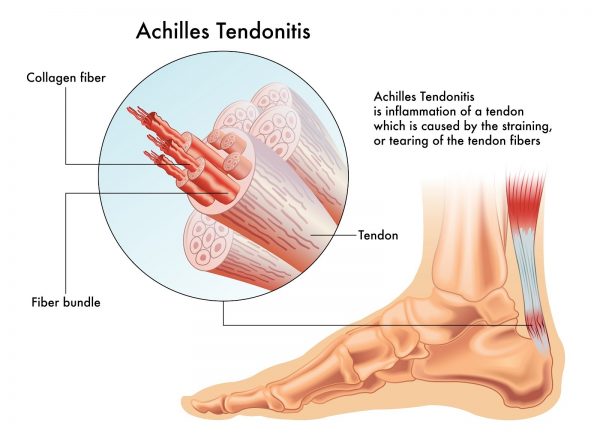
Common symptoms include:
- A burning sensation or stiffness in the back of the leg.
- Pain that intensifies with activity, especially after a period of rest.
- Swelling near the heel.
If you hear a loud “pop or snap” followed by sharp pain, this is an urgent red flag. This could indicate a rupture, and you should seek immediate medical care.
5 Effective Home Remedies for Achilles Pain Relief
If your pain is mild or just starting, you can often manage it at home. Here are five effective remedies to help calm the inflammation.
1. Rest & Activity Modification
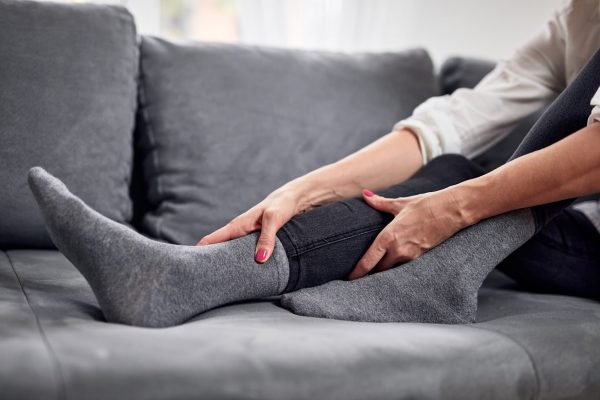
We know it’s hard to slow down, but rest is the most critical step. You need to give those micro-tears time to heal. This doesn’t mean bed rest, but it does mean avoiding high-impact activities like running or jumping until the pain subsides.
2. Ice Therapy
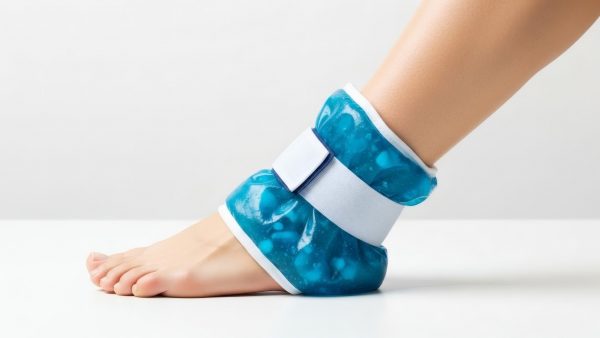
Applying ice to the inflamed area helps reduce swelling and numbs the pain. This is a key part of the RICE method (Rest, Ice, Compression, Elevation). Try icing for 15 to 20 minutes at a time, several times a day.
3. Supportive Footwear & Orthotics
Shoes play a huge role in Achilles tendon injury recovery. Avoid walking barefoot or wearing flat shoes with no support. Instead, look for supportive footwear that elevates the heel slightly to take tension off the tendon. You might also consider over-the-counter inserts to provide extra cushioning.
4. Anti-Inflammatories & Natural Aids
Over-the-counter anti-inflammatory medications can help manage pain and swelling. If you prefer natural routes, some patients find relief using castor oil packs, Vitamin E (to support skin and tissue health), or turmeric supplements for their anti-inflammatory properties.
5. Stop Smoking
This might surprise you, but smoking significantly slows down healing. It reduces blood flow to your tendons, making it much harder for your body to repair the damage. If you are looking for a reason to quit, let your foot health be the motivation.
When Should You See a Podiatrist for Achilles Pain?
While home remedies are great for minor issues, they aren’t always enough. So how do you know when it’s time to call a doctor?
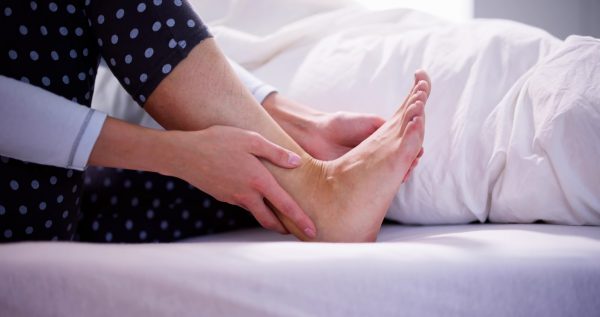
If the pain is just beginning and fairly minor, we recommend following the “Two-Week Rule”: If home remedies haven’t reduced your pain after two weeks, it is time to see a specialist.
Seek treatment at one of our locations if you experience:
- Pain Severity: You cannot walk comfortably or put weight on the foot.
- Visible Changes: You notice severe swelling, redness, or deformity in the heel area.
- Recurring Issues: The pain goes away but keeps coming back (Chronic Tendonitis).
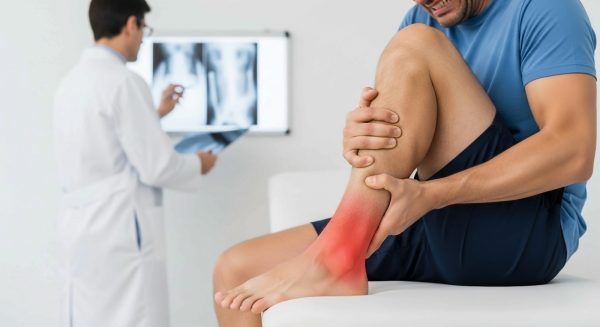
Why wait? Delaying professional Achilles tendonitis treatment can lead to permanent damage or a complete tendon rupture. You can learn more about what to expect during your first visit to help put your mind at ease.
Professional Treatments Before Surgery
At the Foot & Ankle Group, we prioritize conservative care. Surgery is rarely our first option. There are several non-surgical Achilles treatment options available that can help heal your tendon:
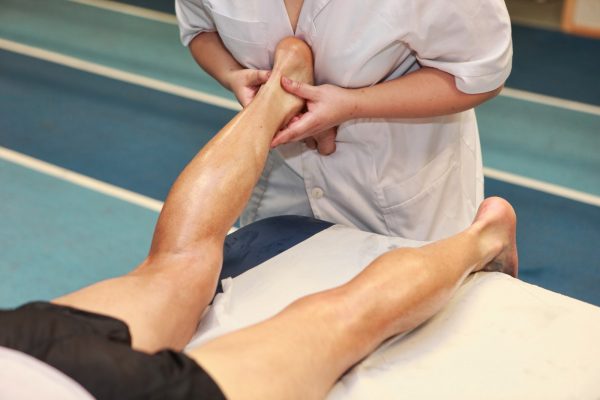
- Custom Orthotics: We can create custom inserts to fix gait issues that might be straining your tendon.
- Physical Therapy: Specialized exercises can stretch and strengthen the calf muscles to support the tendon.
- Immobilization: In some cases, we may use a walking boot (Cam boot) to immobilize the foot and allow full healing without the strain of daily walking.
Surgical Options for Severe Tears
Surgery is generally reserved for ruptured tendons or chronic cases that just won’t respond to other therapies. If you do require surgery, we use advanced techniques to get you back on your feet.
- Gastrocnemius Recession: Lengthening the calf muscles to reduce stress on the Achilles.
- Debridement: Removing damaged tissue to help the tendon heal.
- Damage Removal: Repairing the tendon by removing the damaged portion and stitching the remaining tendon back together.
Preventing Future Achilles Injuries
Once you’ve recovered, you want to stay healthy. Prevention is all about preparation.

- Always warm up before exercising.
- Wear proper shoes for your specific activity.
- Avoid running on uneven surfaces whenever possible.
For more tips on what triggers these issues, check out our blog on the 5 common causes of tendonitis.
Don’t Let Heel Pain Keep You Down
Early treatment is the best way to prevent long-term damage and get back to the lifestyle you love. You don’t have to live with the pain.
If you are in Bonita Springs, Cape Coral, or Ft Myers and are struggling with heel pain, talk to our team today. We are here to help you get back on your feet!
Categorized in: Blog
Comments are closed