You know that feeling—it’s the middle of a long day on your feet, you’re rushing to keep up, and suddenly it feels like you are walking on a sharp stone. But when you check your shoe? Nothing there.
That “phantom stone” is often a corn or a deep callus, and for professionals who spend their lives on their feet, it can turn a normal workday into a marathon of pain.

Let’s step into the world of foot corn treatment to see what’s really going on with your feet. Don’t worry—we’ll keep it smooth. Unlike that rough patch on your toe.
What Causes Corns & Calluses?
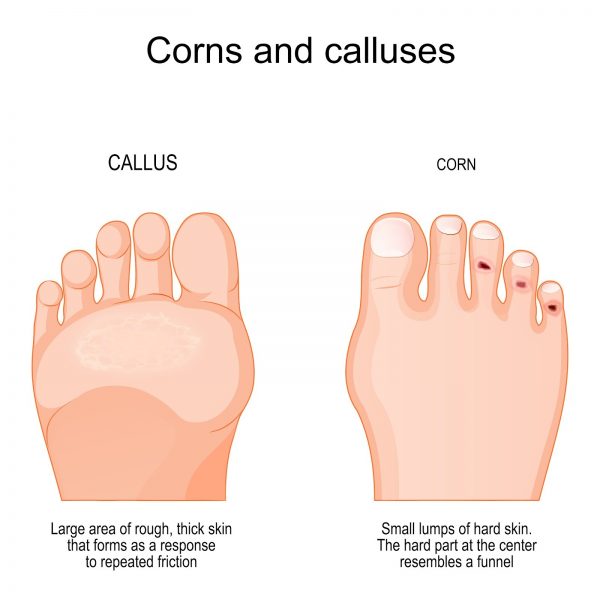
Regardless of the difference between corns and calluses, at their core, they are both just your skin’s way of saying, ‘I need protection!’
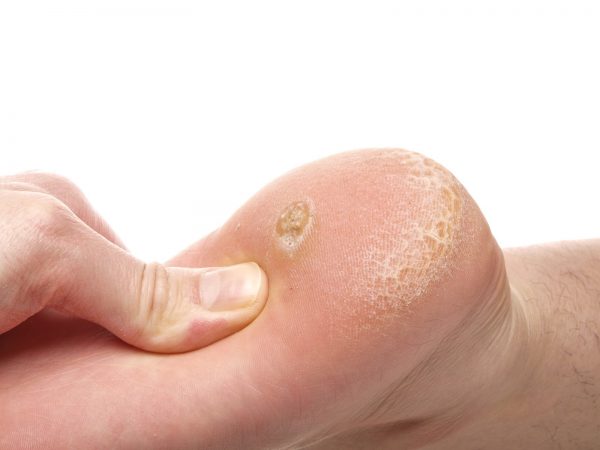
Repetitive friction and pressure cause the skin to thicken (a process called hyperkeratosis) as a defense mechanism. While ill-fitting shoes are a primary trigger, underlying bone structure (like hammertoes) and gait abnormalities often dictate exactly where these painful ‘hot spots’ develop.
Your Corn & Callus Treatment Options
If you are tired of filing away dead skin only to see it return with a vengeance, it is time to look at professional solutions. Here is how we move from temporary fixes to permanent relief for corns and calluses.
Conservative & Professional Care
For many patients, especially those in our Southwest Florida community, surgery isn’t the first step—it’s the last resort. We start with conservative care that offers immediate relief.
- Professional Debridement: This is the medical term for “trimming,” but it is very different from a pedicure. A specialist uses sterile instruments to painlessly pare down the thickened skin. This often provides instant relief from that “walking on a pebble” sensation.
- Footwear Changes: Sometimes, the solution is as simple as switching to a shoe with a wider toe box or lower heel to reduce friction.
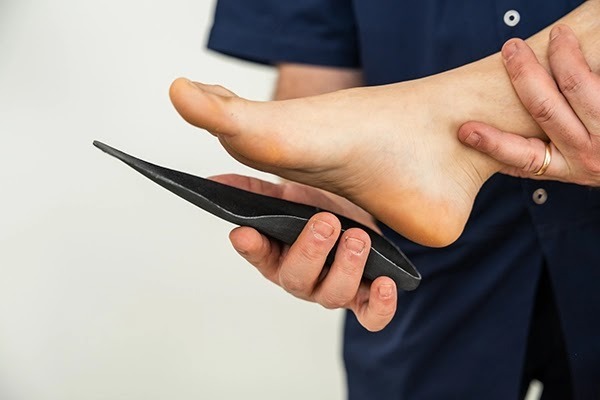
- Orthotics: Custom inserts can redistribute pressure away from the corn, effectively stopping the “pumice stone cycle” before it starts.
- Padding and Education: We use non-medicated protective layers to cushion the area while it heals.
Note: Be wary of foot pumice dangers and over-the-counter medicated pads. These often contain acid that can burn healthy skin, leading to infection—especially for patients with diabetes or poor circulation.

When Surgery Becomes the Best Option
Conservative care works wonders, but sometimes the corn is just the symptom of a deeper structural problem. Surgery may be the best option if:
- You have recurrent, painful lesions that return immediately after professional debridement.
- The friction is caused by a structural deformity, like a bone spur or a rigid hammertoe.
Modern surgical techniques are designed to permanently remove the source of the pressure. These are typically outpatient procedures, meaning you can get back to your life (and your shifts) relatively quickly.
What Conditions Can Mimic a Corn or Callus?
It’s common for patients to confuse a simple callus with more complex skin or structural issues. While many conditions look like a patch of thick skin, treating a viral infection like a corn—or vice versa—can lead to months of unnecessary pain.
If you’re not sure what that painful spot is, an evaluation with a foot and ankle specialist is the fastest way to get an accurate diagnosis.
Corn vs. Bunion
A bunion is a structural bump at the base of the big toe (the bone itself moving out of place), whereas a corn is the thickened skin on top of or between toes caused by rubbing. Often, a bunion causes a corn to form!
Corn vs. Plantar Wart
This is the most common mix-up. A plantar wart is a viral infection. It often has tiny black dots (capillaries) in the center and is painful when squeezed from the sides. A corn is a plug of dead skin that is painful when pressed directly down. Using a pumice stone on a wart can actually spread the virus to other parts of your foot.
Callus vs. Eczema/Dry Skin
Calluses are hard and localized to pressure points (heels, balls of feet). Eczema or fungal infections (like Athlete’s foot) usually present as flaky, itchy, or peeling skin across a wider area, not necessarily where your shoe rubs.
When to See a Foot & Ankle Specialist
You handle everything at work, but you shouldn’t have to handle foot pain alone. You should book an appointment if you experience:
- Pain that interferes with your work or daily activity.
- Signs of inflammation, such as redness, warmth, or drainage.
- Diabetes or poor circulation, where DIY care is strictly off-limits due to infection risk.
- A growth that returns quickly despite changes in footwear.
If you’re not sure which condition you’re experiencing, an evaluation with a foot and ankle specialist is the fastest way to get an accurate diagnosis—and a treatment plan that actually works.
Ready for relief?
You don’t have to walk on stones another day. Stop the cycle of temporary fixes and get back to your busy schedule pain-free.
7117 Congdon Rd, Suite 200
239-936-5400
Cape Coral
1617 Santa Barbara Blvd
239-458-5775
9240 Bonita Beach Road, Suite 1100
239-947-2112
Categorized in: Blog
Comments are closed