Foot pain can stop you in your tracks. Let’s jump straight into learning about bunions and your treatment options. Well… maybe not jump. Your big toe might file a complaint.
You don’t have to limp through life wondering what is going on with your foot. You want relief— fast! But before you buy another pair of shoes or try another home remedy, it helps to understand what is actually happening inside your shoe, if you have a bunion or something else, and what treatment options are available.
What Causes Bunion Pain?
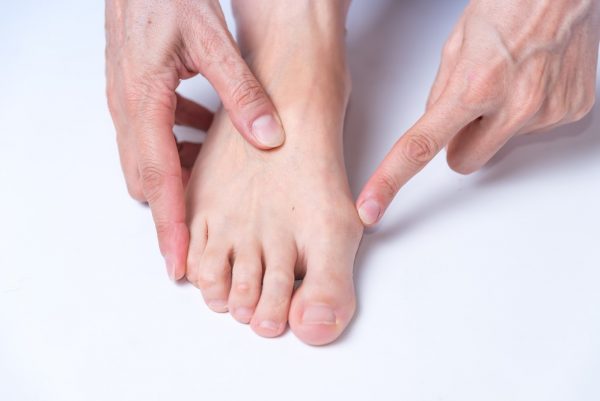
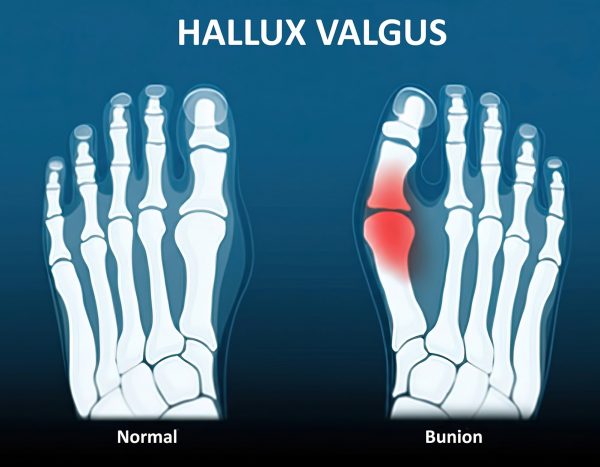
A bunion is a deformity where the big toe turns inward and the joint at its base juts outward, causing pain, swelling, and stiffness.

Bunion pain isn’t just a surface-level irritation. It’s a structural misalignment of the big toe joint that makes wearing your favorite footwear a nightmare. Unlike a blister that heals, bunions are progressive. The severity of the drift in your toe determines which treatment path is right for you.
Your Bunion Treatment Options
When it comes to fixing the issue, you generally have two paths: conservative management or surgical correction.
Conservative Treatments

For many patients, the first line of defense is changing the foot’s environment. A foot and ankle specialist might recommend:
- Footwear changes: Switching to shoes with a wider toe box to reduce pressure.
- Orthotics: Custom inserts to help correct the mechanics of how your foot hits the ground.
- Padding and Toe Spacers: These can provide cushioning between the toes to prevent rubbing.
- Medication: Anti-inflammatory care to manage the swelling.
- Bunion Exercises: Strengthening the foot can sometimes improve stability, though it cannot reverse the deformity.
These options can offer significant relief and help you get back to your daily walks. However, it’s important to set realistic expectations— conservative bunion treatments can relieve discomfort, but they cannot fix the underlying bone deformity.
When Surgery Becomes the Best Option
If you have exhausted conservative care and your pain still interferes with walking or finding comfortable shoes, surgery may be the best option.

While the phrase “bunion surgery” might sound intimidating, modern techniques have come a long way. Surgery is designed to correct the alignment and joint mechanics, effectively removing the source of the pain.
Whether you need a minimally invasive procedure or a more comprehensive correction, an individualized approach is key. A foot and ankle specialist can tell you which option fits your lifestyle and activity level.
What Conditions Can Mimic a Bunion?
It’s common for patients to confuse bunion pain with other conditions. While all of these conditions can cause swelling, stiffness, and difficulty walking, the root causes— and treatments— are very different.
If you’re not sure which condition you’re experiencing, an evaluation with a foot and ankle specialist is the fastest way to get an accurate diagnosis— and a treatment plan that actually works.
Bunion vs. Corn
A corn is a buildup of skin caused by friction, often resembling a hard bump. However, a corn is a surface-level skin issue, whereas a bunion is a bone deformity. While treating corns & callouses might involve removal or padding, it won’t fix the structural tilt of a bunion.
Bunion vs. Gout
This is a very common point of confusion. Bunion vs. gout symptoms feel very different once you know what to look for. Gout is sudden, inflammatory, and often strikes in the middle of the night with intense redness and heat. Bunions tend to ache more gradually over time. Because gout is a metabolic disorder, gout treatment also requires a completely different medical approach than the mechanical correction used for bunions.
Bunion vs. Hallux Rigidus or Hallux Limitus
Hallux limitus and hallux rigidus refer to the same degenerative process in the big toe joint, but hallux rigidus is the more advanced stage. Hallux limitus involves limited motion, while hallux rigidus results in near-complete stiffness.
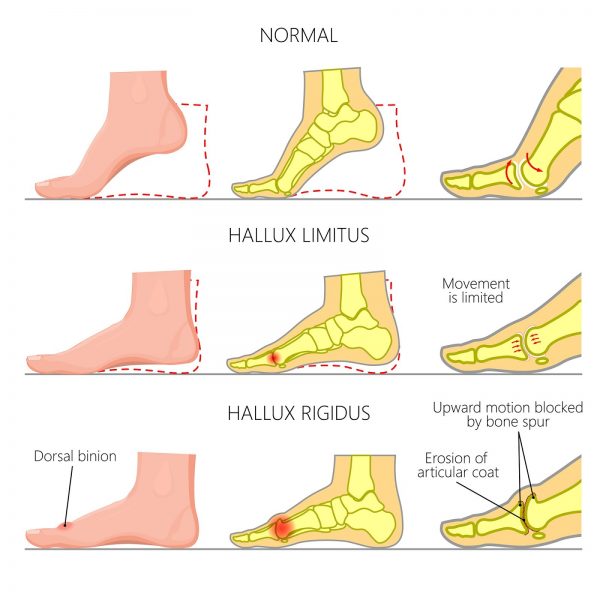
These conditions are essentially arthritis of the big toe joint that leads to stiffness. While a bunion involves the toe drifting sideways, hallux rigidus is distinguished by a lack of motion (rigidity) in the joint.
When to See a Foot & Ankle Specialist
If you aren’t sure if your pain is structural, metabolic, or arthritic, check out these 5 causes of foot pain for more insight.

You don’t need to wait until you are completely immobilized to seek help. You should book an appointment if:
- Pain is interfering with your work or daily activities.
- You have difficulty finding comfortable shoes.
- You notice the big toe drifting inward.
- You have pain beneath the big toe joint or on the side of the pinky toe (which could be bunionettes).
- You have any swelling or redness that doesn’t improve with rest.
A quick evaluation helps confirm the diagnosis and outline the right treatment— including whether surgery is appropriate. We are here to help you get back on your feet at any of our locations. Our team is available to answer questions and let you know what to expect when you schedule an appointment.
If it’s time to say goodbye to your foot pain, contact us to speak with a foot and ankle specialist for an accurate diagnosis and personalized treatment plan.
Categorized in: Blog