If the word “surgery” is what brought you here, you’re not alone — and you’re asking exactly the right question. For most people dealing with a hammertoe, surgery is not where treatment begins. The honest answer depends on one factor most people don’t know to check.

The Question That Matters Most: Flexible or Rigid?
Before any treatment decision is made, a podiatrist needs to determine one thing: can your toe still be straightened manually? That single test is what separates a hammertoe that responds well to conservative care from one that requires a surgical fix.

Try it now: gently press your bent toe back toward a flat position with your fingers. If it returns — even partially — you’re likely in the flexible stage. That’s the window where non-surgical treatment works best, and where most people have real options. If the toe won’t budge, it may have progressed to the rigid stage, and the path forward looks different.
A flexible hammertoe means the middle joint still has mobility. The toe bends downward, but it hasn’t locked into place — and this is where conservative care does its best work, halting progression and keeping surgery off the table for many people indefinitely.
A rigid hammertoe means the muscles and tendons have tightened to the point where the joint is fixed. Conservative care can still manage pain and slow further progression, but it cannot correct the structural issue. At this stage, surgery becomes the most effective path to lasting relief. If your toe won’t straighten when you press it back, the most useful next step is booking an evaluation this week — so you know exactly what you’re dealing with and what your options are.
For a full breakdown of how hammertoes develop and what symptoms to watch for, hammertoe symptoms and causes covers the full picture.
Conservative Treatments That Work
Flexible hammertoes respond well to non-surgical care — especially when addressed before the joint stiffens further. A podiatrist typically builds a coordinated plan using two or three of these approaches together, not in isolation:
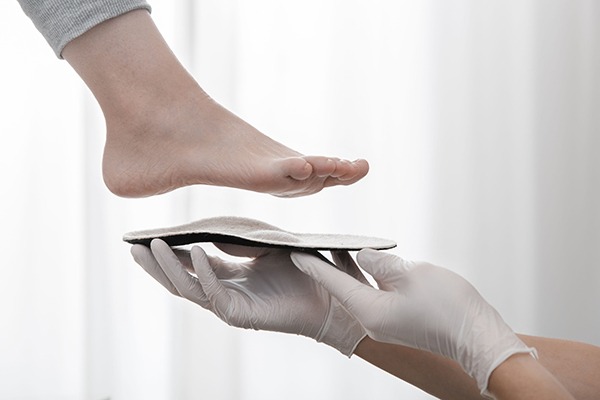
- Custom orthotics: Prescription insoles that correct the muscle imbalance driving the toe’s bent position, redistributing pressure across the foot
- Toe splints and padding: Devices that gently reposition the toe and protect the joint from shoe friction throughout the day
- Footwear modifications: Switching to shoes with a wider, deeper toe box removes the compressive force that accelerates progression
- Stretching and strengthening exercises: Targeted movements that preserve joint flexibility and slow the transition toward rigidity
- Corticosteroid injections: For joints with significant inflammation, injections provide meaningful short-term pain relief while other treatments take hold
Conservative care won’t reverse a hammertoe — the structural change is permanent. What it can do is halt progression, restore comfortable function, and for many people, eliminate the need for surgery altogether. For practical strategies worth starting before your appointment, these hammertoe correction tips are worth a read.
Conservative Care vs. Surgical Correction — A Quick Comparison
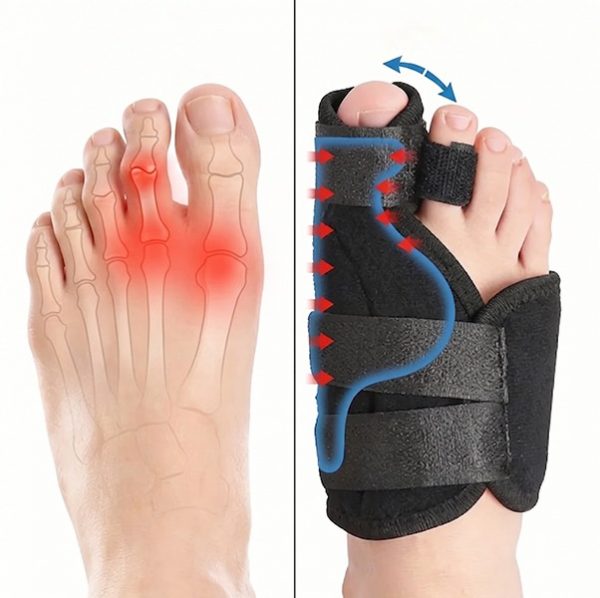
Not sure which path applies to you? This breakdown makes it easier to see where you likely stand:
| Factor | Conservative Care | Surgical Correction |
| Who It’s For | Flexible hammertoe — toe can still be straightened manually | Rigid hammertoe — joint has locked and won’t straighten |
| What It Fixes | Halts progression, manages pain, restores function | Corrects the structural misalignment permanently |
| Time Investment | Ongoing — orthotics, footwear, exercises | One procedure, 3–6 weeks recovery |
| Can It Wait? | Yes — but the window closes as the toe stiffens | The longer you wait, the more likely this becomes necessary |
| First Step | Podiatrist evaluation to confirm flexible stage | Podiatrist evaluation to confirm rigid stage |
When Surgery Becomes the Right Call
Surgery is not the worst-case scenario — it’s a targeted, well-understood procedure with a strong track record. For rigid hammertoes, or cases where conservative care has failed to provide adequate relief, it is often the most direct route to lasting comfort.
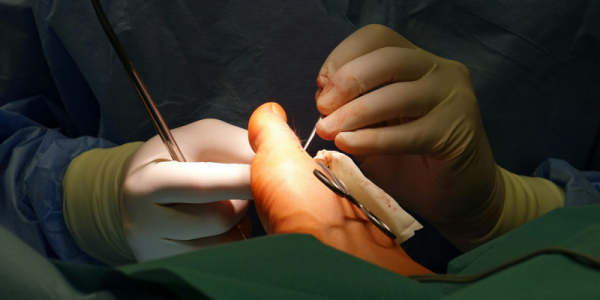
The goal is straightforward: realign the joint, restore normal toe positioning, and eliminate chronic pain. Common approaches include tendon lengthening, joint resection (removal of part of the joint), or fusion — depending on severity and toe structure. Most people are back to walking comfortably within three to six weeks and return to full activity within a few months.
Clinical studies consistently report patient satisfaction rates above 84%, with one prospective randomized study finding over 92% of people satisfied with their results and 89% saying they would undergo the procedure again. For a plain-language look at what the recovery period involves day to day, this recovery guide from Kaiser Permanente is worth reading.
The principle our specialists follow: surgery is the right tool for the right stage — not the default, and never the first option. Every conservative approach is considered before an operative recommendation is made.
Why Timing Matters
A flexible hammertoe doesn’t stay flexible on its own — a toe that’s still flexible today could become rigid within a year, and once it locks, surgical correction is the only path back to full activity. Getting evaluated now keeps every option on the table. To understand what drives this progression in the first place, the top causes of hammertoes is a useful starting point.
Ready to Find Out Where You Stand?
One appointment answers the question that matters: flexible or rigid, conservative or surgical, act now or act soon. Our podiatrists at The Foot & Ankle Group will assess your toe, walk you through every option available, and build a treatment plan around your goals. Learn more about how we treat hammertoes, then schedule your evaluation at our Fort Myers, Bonita Springs, or Cape Coral office today.
Categorized in: Blog
Comments are closed