Let’s get to the bottom of your toe trouble — because hammertoes and bunions are two of the most commonly confused conditions we see.
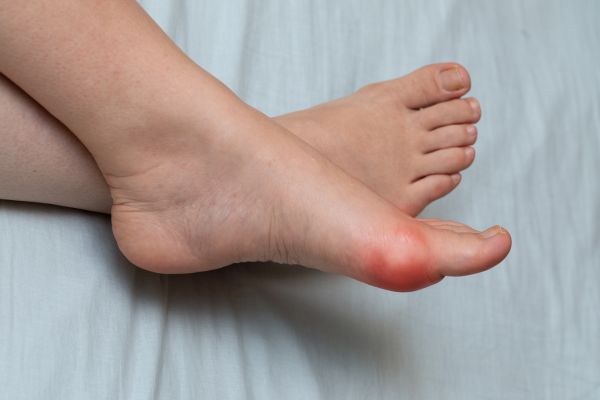
You’ve noticed something is off — and you’re trying to figure out what’s causing your toe pain. Maybe there’s an unfamiliar bump on the side of your foot, or a toe that’s started curling downward. You’ve looked at it, Googled it, and you’re still not sure what you’re dealing with. Whether it’s a bump, a bend, or both, here’s how to tell them apart — clearly and quickly.
Quick Comparison: Hammertoe vs. Bunion
| Hammertoe | Bunion | |
| Location | Middle joint of a smaller toe | Base of the big toe |
| Visual Sign | Toe bends or curls downward | Bony bump on inner edge of foot |
| Primary Pain Point | Top of the bent joint, shoe friction | Side of the foot, pressure in shoes |
| Key Cause | Muscle imbalance, footwear pressure | Joint misalignment, genetics, footwear |
What Is a Hammertoe?
A hammertoe develops when a smaller toe bends out of alignment at its proximal interphalangeal joint — the middle joint of the toe. Instead of lying flat, the toe curls downward, resembling the head of a hammer. It most commonly affects the second toe, though the third and fourth can be involved as well. Not all bent-toe conditions are identical, either — if you’re unsure whether you’re dealing with a hammertoe, mallet toe, or claw toe, understanding the differences between hammer, mallet, and claw toe conditions can help you narrow it down.
Take a look at your shoes. If the top of the toe box is scuffed or worn thin in one spot, that friction is coming from somewhere — and a bent toe rubbing against the material with every step is a common culprit. It’s no coincidence: tight shoes are a leading driver of hammertoes, and making the right footwear choices is one of the first lines of defense.
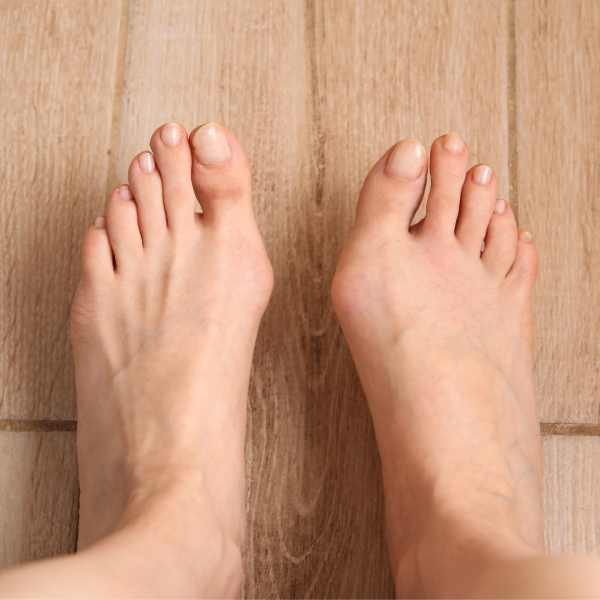
Signs you may be dealing with a hammertoe:
- A toe that bends or curls downward at the middle joint
- Corns or calluses forming on top of the bent joint from shoe friction
- Toe joint pain or stiffness when trying to straighten the toe
- Difficulty finding shoes that don’t rub or pinch
One thing worth knowing early: hammertoes exist on a spectrum. A flexible hammertoe can still be manually straightened — and that’s the window where conservative hammertoe treatment works best. Custom orthotics, toe splints, padding, and footwear changes are all effective first-line options. Once the joint becomes rigid and can no longer be straightened, surgery is more likely to be needed.
Several factors drive this — footwear, muscle imbalance, injury, and certain health conditions can all play a role. For a full breakdown of what causes hammertoes and who’s most at risk, the Mayo Clinic’s overview is worth a read. When you’re ready to explore your options, see how our podiatrists approach hammertoe care — from conservative options to when surgery becomes necessary.
What Is a Bunion?
A bunion forms at the first metatarsophalangeal joint — where the big toe meets the foot. Medically known as hallux valgus, this condition develops as the joint shifts out of alignment: the big toe gradually drifts toward the second toe, and the joint behind it juts outward, creating a firm, bony protrusion on the inner edge of the foot. If you want to understand what drives this misalignment in the first place, the top causes of bunions covers the most common risk factors in detail.
Check the inner side of your most-worn shoes. If the material is bulging or breaking down along the big toe joint, that’s the foot pushing back against a misalignment it’s been managing for a while.

Signs you may be dealing with a bunion:
- A firm, bony bump on the inner edge of the foot at the base of the big toe
- The big toe visibly angling toward the second toe
- Redness, swelling, or skin thickening at the bump site
- Toe joint pain that worsens with activity and eases with rest
- Discomfort or irritation in shoes, especially narrow or pointed styles
Like hammertoes, bunions are progressive — what starts as mild discomfort and a barely-noticeable bump can advance significantly over time if left unaddressed. Conservative care — including custom orthotics, wider footwear, and padding — is effective when started early and can slow or stop that progression. The sooner you understand what bunion care involves and when to see a specialist, the better positioned you are to keep surgical options off the table. If you’re weighing your next step, see what addressing a bunion looks like at The Foot & Ankle Group — and what to expect from your first visit.
Can You Have Both at the Same Time?
Yes — and it’s more common than most people realize. As a bunion develops and the big toe drifts inward, it can push on the second toe and force it into a bent position, creating a hammertoe alongside the bunion. Both conditions also share underlying drivers: genetics, years of footwear pressure, biomechanical imbalance, and the natural changes that come with aging. If hammertoes are your primary concern, our hammertoe guide walks through symptoms, causes, and what treatment involves.
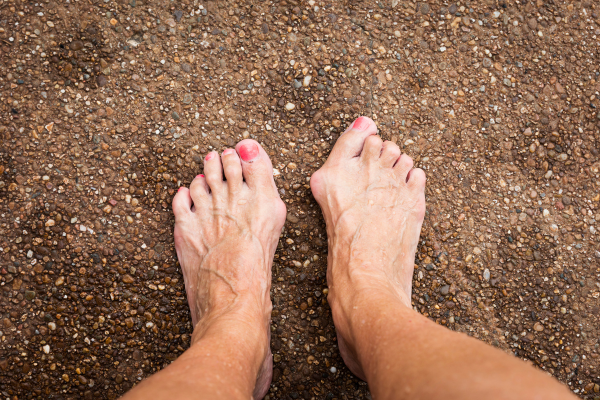
Having one doesn’t guarantee the other — but if you’re noticing changes in more than one toe, a proper evaluation with a foot doctor is worth the time rather than guessing.
Ready to Stop Guessing?
Both hammertoes and bunions progress over time — and waiting rarely makes either one easier to treat. If you’ve been putting off getting checked because you weren’t sure what you were even dealing with, now you know. The next step is a simple one.Our podiatrists at The Foot & Ankle Group are ready to give you a clear diagnosis and a treatment plan built around keeping you on your feet. Schedule your evaluation at our Fort Myers, Bonita Springs, or Cape Coral office today.
Categorized in: Blog
Comments are closed