Heel spur pain has a way of making itself impossible to ignore. Maybe it’s that first step out of bed — heel hits the floor, you wince before you’re even fully awake — before a 7 a.m. court time. Maybe it’s hour eight of a twelve-hour shift, when every step becomes a negotiation and you still have four hours to go.
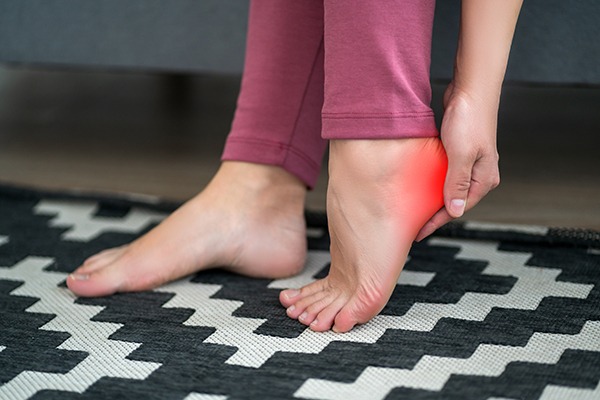
This post focuses on treatment — what to try first, what to add when self-care stalls, and the signals that tell you it’s time to escalate.
Not all heel spur treatment options work the same way — and not all of them belong at the same stage. Here’s the framework for what to try first, and when to move on.
What Are the Most Effective Heel Spur Treatment Options?
Start Here: Conservative Heel Spur Treatment
Most people start — and should start — with conservative self-care. The American Podiatric Medical Association (APMA) supports a conservative-first approach to heel spur pain, and these options are accessible, low-risk, and effective for mild to moderate discomfort.

Ice and cold compression. Apply ice or a cold pack to the affected heel for 15–20 minutes after activity. Cold compression reduces inflammation and numbs acute pain, making it a reliable first line of relief after a long day on the court or on the unit.
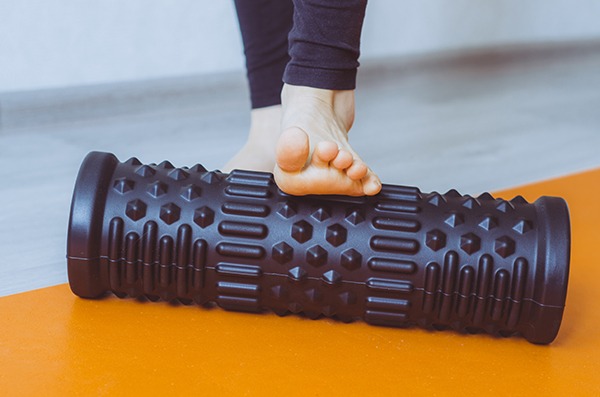
Stretching and mobility work. Targeted stretching of the plantar fascia — the band of connective tissue running along the bottom of the foot that connects the heel bone to the toes — and the Achilles tendon is one of the most evidence-backed conservative heel spur treatments available. These plantar fasciitis stretches from our podiatrists are a reliable starting point; the same movements apply to heel spur-related tightness.
Over-the-counter (OTC) anti-inflammatories. NSAIDs like ibuprofen reduce pain and swelling in the short term. They are not a structural fix — they manage symptoms without addressing the underlying mechanical cause. If you are reaching for them daily just to get through the day, that is an escalation signal worth paying attention to.
Add Professional Guidance: Podiatrist-Assisted Options
If self-managed care hasn’t moved the needle after two to three weeks, these options are the right next step. Pairing your home routine with professional evaluation adds targeted interventions that self-care can’t replicate.
Physical therapy. A structured PT program improves flexibility, strengthens the muscles supporting the heel, and corrects gait mechanics that may be driving the problem. A podiatrist can confirm you are targeting the right muscles for your specific spur location and severity.
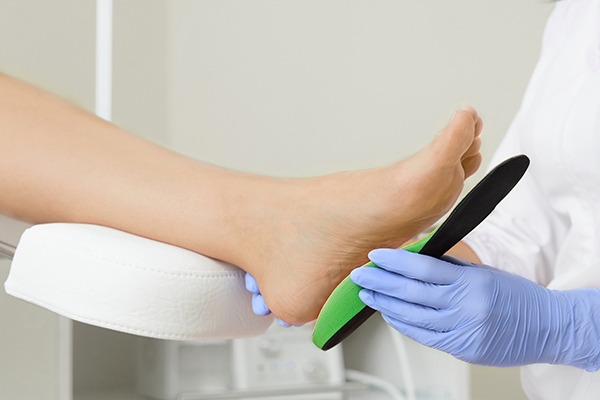
Custom orthotics and shoe adjustments. Custom orthotics are mapped to your specific foot mechanics and pressure points. Over-the-counter inserts distribute pressure generally and are not built around your arch height, stride pattern, or spur location. For active adults logging significant court time or shift hours, that distinction matters. Fitting appointments at our Fort Myers, Bonita Springs, and Cape Coral offices are typically completed in a single visit.
Night splints. Worn during sleep, night splints hold the foot in a dorsiflexed position that keeps the plantar fascia gently stretched overnight. This reduces the sharp pain most people feel on first-morning steps, which is typically caused by the fascia contracting during rest and then being suddenly loaded.
Advanced Non-Surgical: When Conservative Care Isn’t Enough
When conservative care and professional-assisted options have not delivered lasting relief after several weeks, Zimmer Shockwave Therapy — formally known as extracorporeal shockwave therapy (ESWT), a non-invasive in-office treatment that uses high-energy sound waves to stimulate blood flow and trigger natural cellular repair in damaged tissue — is the next clinical step. It requires no surgery, no anesthesia, and no downtime. Learn more about Zimmer Shockwave treatment.
For a deeper look at the full range of non-surgical options and what to expect, our guide to getting rid of heel spurs without surgery covers the complete picture.
Surgery: The Last Resort
Surgery is appropriate when all conservative and advanced non-surgical options have been exhausted and pain continues to limit daily activity. Heel spurs that cause persistent pain despite a full course of conservative care may require surgical intervention to release the plantar fascia or remove the spur. Most people never reach this point. When conservative care and shockwave therapy are followed in the right sequence, surgery is genuinely uncommon.
When Should You See a Podiatrist for Heel Spurs?
Here are the signals that tell you it’s time to move from self-management to a professional evaluation:
- Pain persisting beyond two to three weeks of consistent at-home care with no measurable improvement
- Pain that worsens rather than plateaus — especially pronounced on first steps in the morning or after activity (according to the Cleveland Clinic, this pattern is a reliable indicator that conservative self-care alone is no longer sufficient)
- Pain that affects daily function: cutting a pickleball match short, struggling through hour eight of a shift
- Relying on OTC anti-inflammatories daily to stay functional
- Any numbness, tingling, or discomfort spreading beyond the heel — this warrants same-day evaluation
An in-office assessment includes imaging to confirm the diagnosis and typically takes less than an hour. If you’ve been managing this on your own and it’s not improving, that appointment is the right next step — not a last resort.
Take the Next Step
When self-managed care stops working, that’s exactly when a podiatrist adds value — not to tell you to do more of the same, but to assess where you are and match you to the right intervention.
If you’re working through 12-hour shifts on a heel that isn’t getting better, a same-day assessment at our Fort Myers office takes less than an hour and fits between shifts.
Heel spur pain doesn’t have to bench you. Whether you’re a few weeks in or have been managing this for months, The Foot & Ankle Group can assess where you are and what comes next. Explore our heel spur treatment options or schedule your appointment at our Fort Myers, Bonita Springs, or Cape Coral office today.
Categorized in: Blog
Comments are closed