That sharp, throbbing sting at the edge of your toe isn’t just annoying — it can make every step feel like a chore, whether you’re strolling along the Fort Myers shoreline, squeezing in a round of pickleball, or powering through a long shift at work. Ingrown toenails are one of the most common foot complaints we treat at Foot & Ankle Group, and the good news is that real, lasting relief is closer than you think.

Before we get into how to treat an ingrown toenail, it helps to understand what causes ingrown toenails in the first place — because an ingrown nail isn’t just a skin irritation. It’s a mechanical problem, and that distinction matters when choosing the right path to relief.
Safe At-Home Treatment: Managing Minor Irritation
If your ingrown toenail is in its early stages — some tenderness, mild redness, no sign of infection — a few at-home measures can help manage symptoms while you decide on next steps. Think of these as symptom management, not a cure.
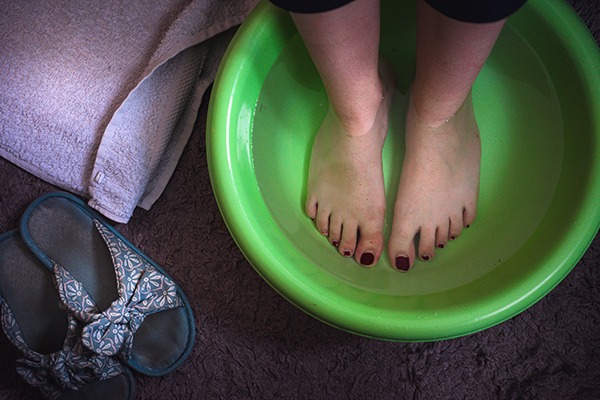
- Warm water soaks: Soak the affected foot in warm water with Epsom salt or mild soap for 20 minutes, up to three times a day. This reduces swelling and softens the skin around the nail.
- Antibiotic ointment: Apply a thin layer to the area up to three times daily and cover with a bandage to lower your infection risk and ease discomfort.
- Comfortable footwear: Tight shoes and socks crowd your toes and make things worse. Switch to open-toed shoes or sandals when possible. For runners and active patients, check out our ingrown toenail prevention tips for footwear guidance.
- OTC pain relievers: An over-the-counter anti-inflammatory can take the edge off while you monitor the nail.

A word of caution: You may have seen advice about packing cotton or dental floss under the nail at home. We recommend skipping this step. According to the APMA, at-home removal carries serious risks, including introducing bacteria and worsening the injury. Learn more about the risks of at-home ingrown toenail removal before attempting any DIY procedures.
The Decision Checklist: When to See a Podiatrist
Home care has its limits. If you notice any of the following, it’s time to call us:
- Spreading redness, warmth, or swelling beyond the nail edge
- Pus or discharge around the nail
- Pain that’s getting worse, not better, after a few days of home care
- A nail that keeps growing back into the skin despite trimming
- Fever or chills (signs of a systemic infection)
For a deeper look at what to watch for, visit our guide on signs your ingrown toenail is infected.
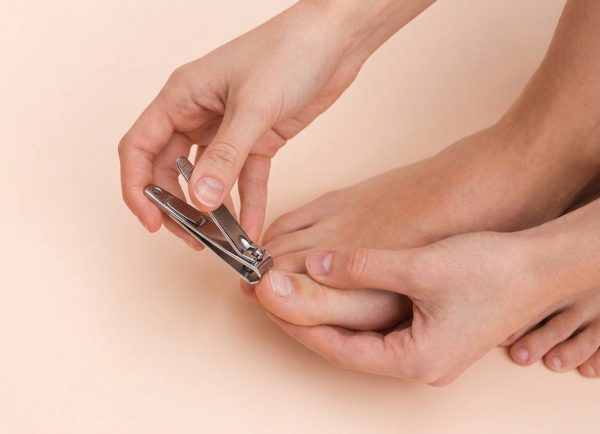
Important Notice for Diabetic Patients: If you have diabetes, do not attempt to treat an ingrown toenail at home. Even a minor nail issue can escalate quickly into a serious infection. Please contact us immediately and review our resource on warning signs of diabetic foot to understand the risks.
Professional Clinical Solutions: Immediate and Permanent Relief
When home care isn’t cutting it, our Southwest Florida podiatrists offer two primary clinical solutions:
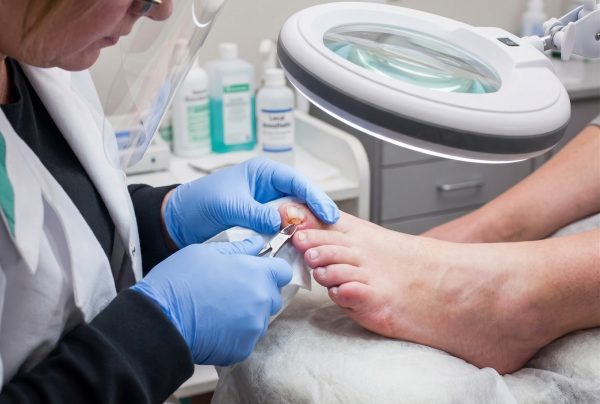
Nail Lift
For cases where the nail is digging in but hasn’t caused significant damage, your podiatrist may lift the nail using a sterile splint. This corrects the nail’s growth angle without removing it — offering quick relief with minimal recovery time. It’s a great first-line clinical option for active patients who need to get back on their feet fast.
Matrixectomy (Ingrown Toenail Surgery)
For recurring ingrown toenails, a matrixectomy is the gold standard. This in-office procedure uses a chemical called phenol to permanently prevent the problematic portion of the nail from growing back. It’s quick, performed under local anesthetic, and has a high success rate — meaning no more recurrence loop.
If you’ve been stuck in that frustrating cycle of trimming, soaking, and watching it grow back worse, 6 ways to keep an ingrown nail from growing back explains why a matrixectomy is often the most effective long-term strategy.
Both procedures are performed at our Fort Myers, Bonita Springs, and Cape Coral locations — and most patients are walking (comfortably!) the same day.
Coordinated Care for Seasonal Residents: We’ve Got Your Season Covered
Spending the winter in Southwest Florida is one of life’s great pleasures — and a painful ingrown toenail shouldn’t eat into a single day of it. If you’re a seasonal resident, you may be hesitant to start treatment here, worried your doctor back home won’t have the records or know how to follow up.

Here’s the reality: ingrown toenail treatment at Foot & Ankle Group is simple, well-documented, and easy to coordinate with your primary care provider up north. Here’s what to know:
- Treatment records travel with you: We provide complete clinical notes you can share with your physician at home.
- Timing works in your favor: A nail lift or matrixectomy is typically a single in-office visit. We can work around your schedule — whether you have two weeks left in season or two months.
- No disruption to your plans: Most patients resume normal activity — including beach walks — within days of treatment.
Not sure what a visit looks like? Our what to expect page walks you through the process from first call to follow-up, so there are no surprises.
Take the Next Step Toward Pain-Free Movement
Persistent foot pain — whether it’s waking you up at night, keeping you off the pickleball court, or making a 12-hour shift feel impossible — isn’t something you should just push through. An ingrown toenail is a mechanical problem, and it has a mechanical solution.
Our team at Foot & Ankle Group has helped patients across Fort Myers, Bonita Springs, and Cape Coral get fast, lasting relief — whether they need a quick nail lift or a permanent matrixectomy. We combine expert podiatric care with the kind of warmth and efficiency that makes your visit as painless as possible.
Ready to stop soaking and start healing? Find a Southwest Florida location near you and book your appointment today. Your feet will thank you — and so will your pickleball game.
Categorized in: Blog
Comments are closed