Managing diabetes is a full-time commitment. Between monitoring blood sugar, managing medications, and keeping up with specialist appointments, foot care often gets pushed to the bottom of the list — until something goes wrong.

Here is the part that matters most: peripheral neuropathy—nerve damage caused by long-term elevated blood sugar—can reduce or eliminate sensation in the feet, meaning pressure sores and early ulcers can develop without any pain signal to warn you. Foot complications are among the most serious consequences of unmanaged diabetes, and most of them are preventable.
Why Diabetic Feet Need More Than Standard Support
Diabetes affects the feet through three primary mechanisms: reduced circulation, peripheral neuropathy, and altered pressure distribution—changes that make the average foot and the diabetic foot operate under entirely different conditions. People managing diabetes face a significantly elevated risk of foot ulcers, infection, and wound complications as a direct result of these changes. Standard store-bought insoles are designed for the average foot. A diabetic foot needs something more precise: an orthotic fabricated specifically for your foot’s individual pressure map, accommodating the changes diabetes creates rather than ignoring them.
What Custom Orthotics Actually Do for Diabetic Feet
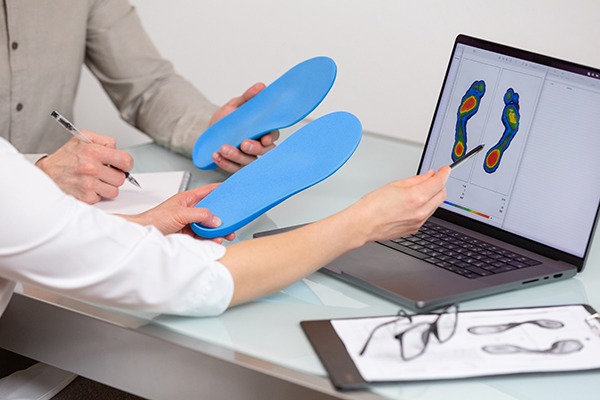
Custom orthotics for diabetic feet are not glorified arch supports. They are purpose-built devices that address the specific risks diabetes creates:
- Redistribute plantar pressure. High-pressure zones under the ball of the foot and heel are where diabetic foot ulcers most commonly form. Custom orthotics move weight away from those areas and distribute it more evenly across the plantar surface, reducing stress on the spots most likely to break down. Knowing the warning signs of diabetic foot complications is the first step — orthotics are how you stay ahead of them.
- Accommodate neuropathy. Because neuropathy can eliminate the warning signal of pain, damage can accumulate in areas you cannot feel. Custom orthotics are designed to protect those areas proactively, so injury does not occur without your knowledge.
- Prevent callus formation. Diabetic calluses are not a cosmetic issue — they are a clinical warning sign and a precursor to ulceration. Orthotics reduce the friction and repetitive pressure that cause them to form.
- Support Charcot foot management. In more advanced cases of diabetic neuropathy, Charcot foot can develop, weakening and shifting the bones of the foot. Custom orthotics play an important role in offloading pressure and supporting foot structure.
Custom Orthotics vs. Over-the-Counter Insoles: What You Need to Know
Store-bought insoles provide vertical cushioning — they absorb downward pressure but do nothing to address shear force: the horizontal friction inside the shoe that causes diabetic blisters and calluses.
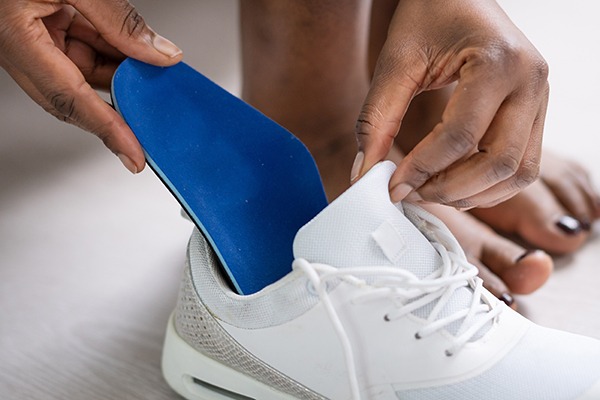
Custom orthotics use specialized top covers — materials like Plastazote, engineered specifically for diabetic foot care — designed to reduce both vertical pressure and horizontal shearing simultaneously. For someone managing diabetes, the difference between a generic fit and a precise one can be the difference between a pressure sore that resolves on its own and one that becomes a foot ulcer.
Medicare Therapeutic Shoe Program
Qualifying individuals with diabetes may be eligible for coverage of custom orthotics and therapeutic shoes under the Medicare Therapeutic Shoe Program. We can help you explore your options during your evaluation — ask our team when you call to schedule.
If you are comparing your options, our post on why custom orthotics outperform pre-fabricated inserts breaks down the differences in detail.
What to Expect at a Diabetic Foot Evaluation and Orthotic Fitting
The process is straightforward — and you can learn more about what to expect at your first visit before you come in. At your evaluation, we conduct a brief exam — checking circulation, testing sensation, and assessing pressure points — then take a foot mold or 3D scan to fabricate an orthotic specific to your foot. A follow-up fitting ensures everything is right before you leave.
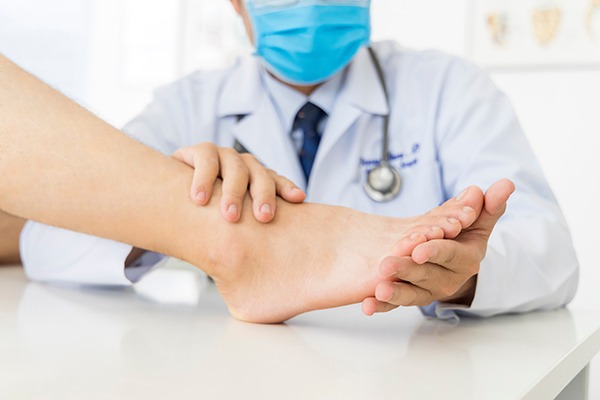
Orthotics are one part of a longer care partnership. The Foot & Ankle Group recommends that diabetic patients be seen every eight to nine weeks — regular monitoring is what keeps small issues from becoming serious ones. If you split time between Florida and another state, we can coordinate your records with your home provider so your care remains consistent no matter where you are.
Frequently Asked Questions
How do I know if I need custom orthotics? If you have been living with diabetes for any length of time, a conversation with our team is worth having. You do not need to be experiencing pain to benefit — in fact, the earlier you start, the better the preventive impact.
Does Medicare cover diabetic orthotics? Medicare Part B may cover custom orthotics and therapeutic shoes for qualifying diabetic patients under the Therapeutic Shoe Program. Coverage depends on documented medical necessity and physician certification. Our team can help you understand your options when you come in.
Can I wear custom orthotics in any shoe? Custom orthotics fit into a range of footwear — including closed-toe work shoes, athletic shoes, and supportive walking shoes. They are not compatible with very flat or minimalist shoes, or most sandals without a removable footbed. If you wear a specific type of shoe regularly, let us know at your fitting and we will account for it.
Schedule Your Diabetic Foot Evaluation
Managing diabetes means making smart decisions before problems start — and a custom orthotic fitting is one of the simplest steps you can take to protect your feet for the long term. Our team at The Foot & Ankle Group is ready to help. Schedule your diabetic foot evaluation at our Fort Myers, Bonita Springs, or Cape Coral office today.
Categorized in: Blog
Comments are closed